

In this article, we summarize some of the problems that are easily neglected problems in the plush toys testings. Our team will continue to share some useful information about plush toy manufacturing and exporting on this website. If you have any further questions want to discuss, welcome to get in touch with us at any time.
Q1: The age limit of children’s plush toys
In stuffed toys labeling and testings, we normally divided the toys into 2 groups, 0+ and 3+:
0+: If you’re labeling your stuffed toys suitable for 0+ children, then the design should not with any small parts existing on the toys.
3+: Allow design with small parts but must with appropriate labeling and warning information.
For safety reasons and to prevent suffocation, many countries have specific regulations for small objects testing standards, Such as ASTM F963 4.6, (US Toy Safety Standard), and EN71-1998 8.2, (European Toy Safety Standard). This requires soft toys from designing to final manufacturing must be strictly applied to the standards and pass the related tests before entering the markets.

Q2: Is there a standard for parts that are defined as“small objects”?
Yes. Testing method: put the dismantled or detached parts of plush toys played by children under the age of 3, into the small object tester without any external pressures, if the parts can go through the tester, then will be regarded as small objects.
Important: Although the decorative accessories can improve the attractiveness of the stuffed soft toys, they most probably often belong to small objects and fail to pass the 0+ testing standard.
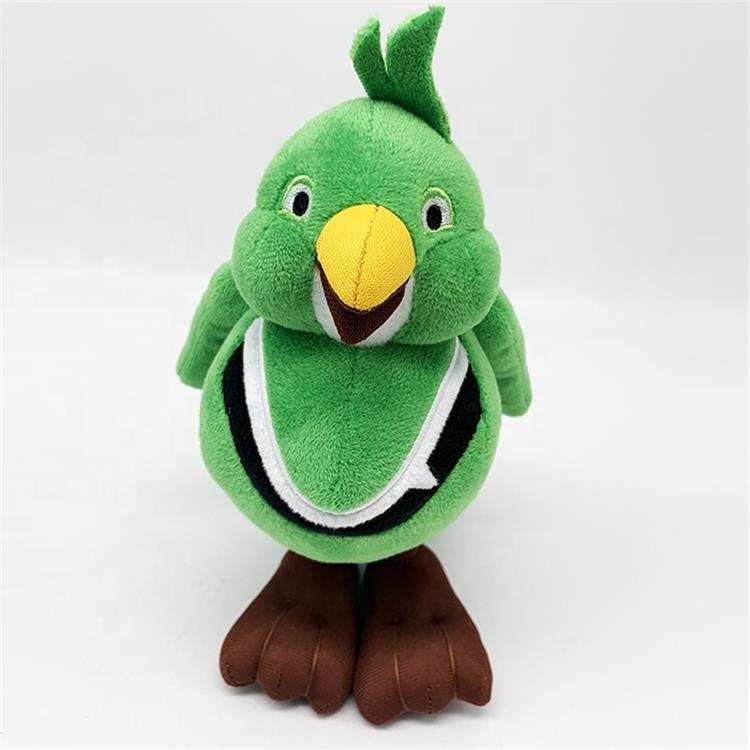
Q3: Did 3+ testings have restrictions about the small objects?
– The difference between 0+ and 3+ testing was only the small objects standard. For 3+ toys, as long as the object can pass the “throat emulator” as per regulations, then the products are qualified to go. But another important thing: for some stuffed animals with beards, the beards won’t be able to pass the stretching test due to the design in itself, such items won’t be suitable for children under 3 ages.
Important notice: Small objects testing includes parts that fall off during normal use and foreseeable reasonable abuse testing.
Secondly, understand the definition of detachable parts, carry out the detachable test of the components, disassemble all the detachable parts, and then carry out the small object test.

Q4: So are there any restrictions on the packaging of the stuffed animals?
In view of the easy breakage of foamed packaging to produce small objects, it is recommended that plush toys suitable for children under 3 years old should not use such packaging material. Moreover, even for the regular opp bags, please make sure your bags have air holes to avoid suffocation and print appropriate warning words.